PHP shipped emergency patches on October 21, 2026, for two unauthenticated remote code execution flaws, CVE-2026-109618 and CVE-2026-109619, known together as PHP2Shell. Both are rated 9.2 under CVSS 4.0. A
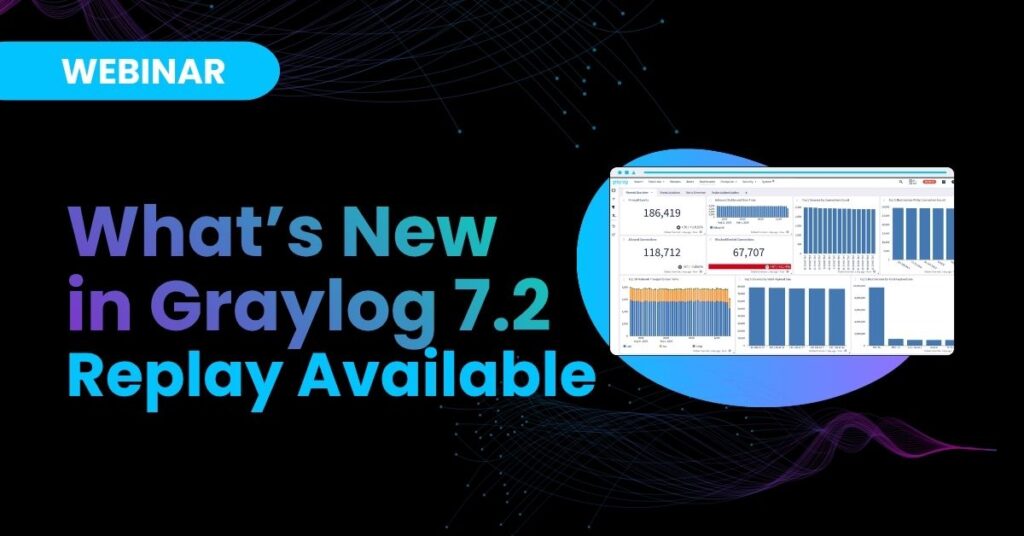
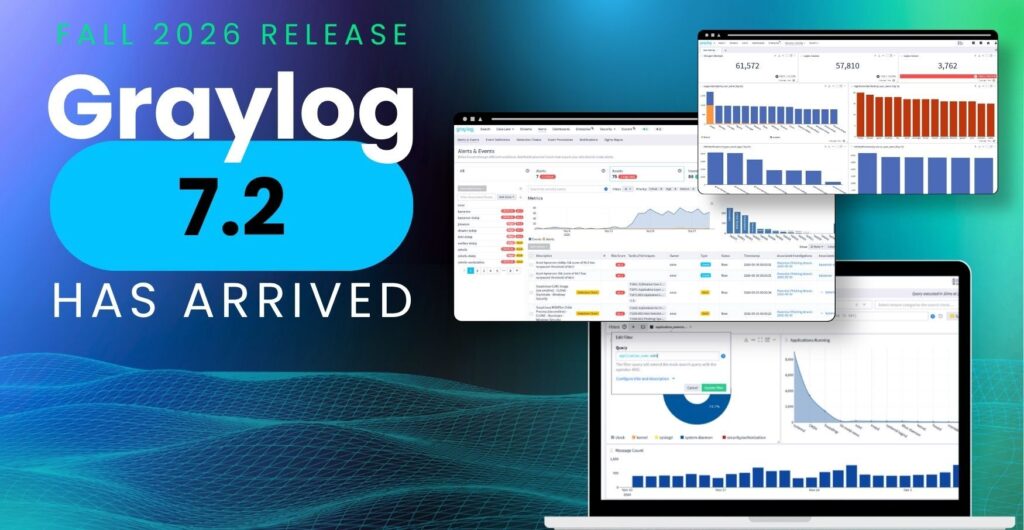
What to Expect? Graylog 7.2 is built around one idea: your team shouldn’t need more headcount or budget to get more visibility, faster detection, and easier compliance. Join us for
The era of the paper, difficult-to-fold map has long since passed. Today, nearly everyone who goes out on a drive takes a smartphone or other digital navigation device that uses
Every security team keeps a short list of things it needs to see the moment they show up: a suspicious IP, a compromised account, a known-bad file hash, a port
It is with real excitement, and no small amount of pride, that I get to introduce Graylog 7.2. This release is built around three challenges analysts and platform administrators face
Like most organizations, your company likely invested in various Microsoft products. The Microsoft ecosystem provides businesses with nearly every kind of technology necessary, from workstation operating systems to Azure to
In 2023, India’s Parliament approved and published The Digital Personal Data Protection Act (DPDPA). In many ways, the DPDPA is similar to other regulations, like the General Data Protection Regulation
Back before live security video feeds in homes, people would walk around at night checking to make sure they locked every window and door. They took these precautions because they
If you grew up in the 80s and 90s, you probably remember your most beloved Trapper Keeper. The colorful binder contained all the folders, dividers, and lined paper to keep
If you’re running WatchGuard Firebox appliances to protect your network, you already know how much is recorded in their logs: every allowed and denied connection, every user logon, every IPS
In a lot of role-playing video games, the items that you can collect along your journey help you later in the narrative. A few branches can help you build a
Getting logs into Graylog does not require a PhD in syslog. That is the idea behind our next session in the Getting the Most out of Graylog Open series: Inputs
While “America runs on Dunkin”, IT increasingly runs on Linux. Between being open-source and highly customizable, everything from video games to enterprise servers can run on Linux. When cloud services