
In Disney’s Big Hero 6, the friendly, inflatable, healthcare robot, Baymax, activates every time a character indicates physical distress. After activating, he asks a series of healthcare questions, like what the person’s pain is on a scale of one to ten. Baymax will only deactivate after a patient acknowledges, “I am satisfied with my care.”
The artificial intelligence (AI) robot that healed people in the movie is similar to the AI cybersecurity tools that organizations can use to heal systems. Despite organizations having high volumes of security telemetry, they still struggle to detect and investigate potential security threats. With generative AI, security teams can have new ways to investigate activity, gain insights from security data, and reduce manual work.
As organizations begin using AI for cybersecurity more, they need to understand where AI can improve security operations, where human judgment remains necessary, and how to implement AI without introducing unnecessary risk.
How Is AI Used in Cybersecurity?
Artificial intelligence enables security teams to analyze large volumes of security data, identify patterns and anomalies, investigate suspicious activity, and automate repetitive processes. Different technologies use different types of AI, including:
- Machine learning: Analyzes historic and real-time data to identify patterns, establish baselines, and detect abnormal behavior, like anonymous use, device, or network behavior.
- Generative AI: Uses large language models (LLMs) and other technologies to summarize information, useful for investigations, complex security information, query data, and reports.
- AI agents: Perform multi-step tasks using AI and interact with applications, tools, or data sources, useful for information retrieval during an investigation or initiate an established workflow.
- Skills: Packaged instructions, scripts, and reference material that give AI agents specialized expertise for specific tasks. They load only when needed and produce consistent, repeatable results, which makes them useful for standardizing investigation procedures, report formats, or team playbooks.
4 Ways Organizations Are Using AI for Cybersecurity
Many security teams are already onboarding AI technologies, often in the tools they already have. However, not all AI implementations are equal, and teams should consider the type of AI used, the available data, and the level of autonomy the AI should have.
Threat Detection and Behavioral Analysis
Typically, threat detection tools rely on predefined rules, signatures, or known indicators of compromise. Many organizations have solutions with machine learning that analyze data to define baseline normal activity and detect anomalies.
AI-assisted behavior may surface risky behaviors that may indicate a cyber threat, like:
- Unusual login activity
- Unexpected network traffic changes
- Abnormal user and device behavior

AI-Assisted Security Investigation
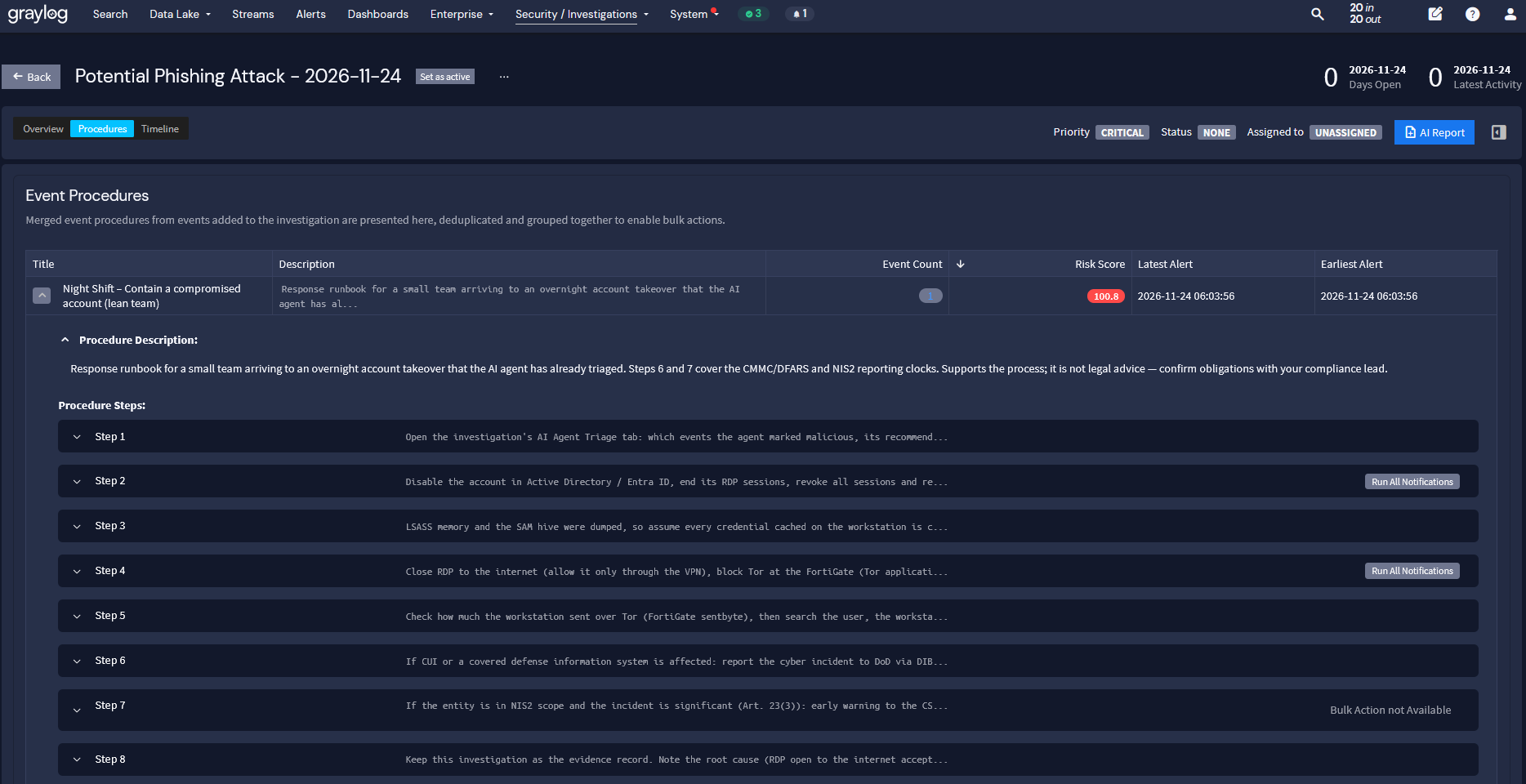
When security analysts investigate an alert, they spend time gathering evidence from various sources before determining what happened and assessing potential attack impact. AI can reduce mean time to investigate (MTTI) by automating various processes, including:
- Organizing evidence
- Identifying relevant information
- Summarizing investigation findings.
Generative AI is uniquely helpful since it translates high volumes of technical information into easily reviewed and validated explanations.
Security Data Correlation and Context
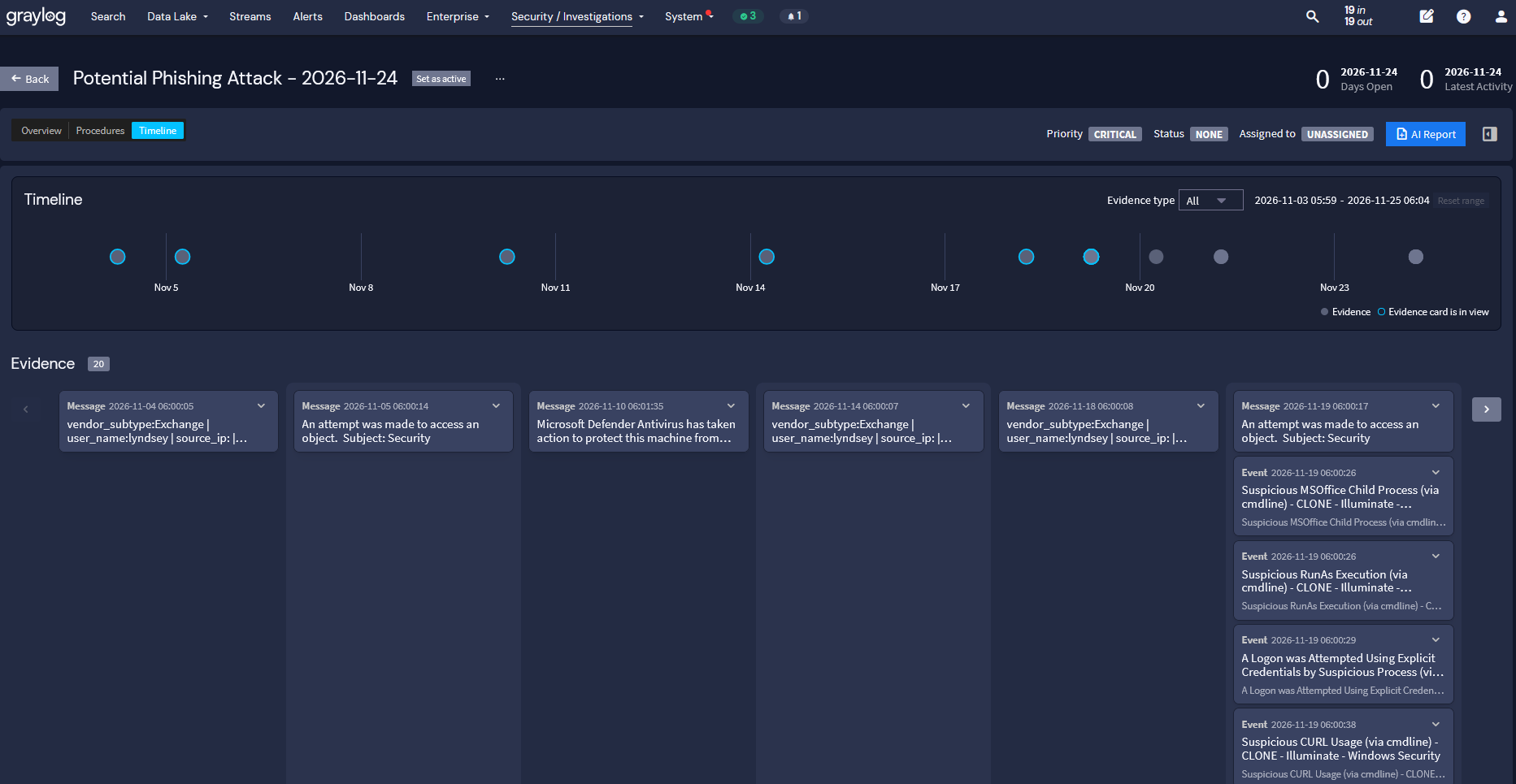
A security event is meaningful only within the context of other activities across the environment. An unusual login time could be someone working late or an attacker using compromised credentials. Security analysts need additional context, like:
- Device activity
- Asset information
- Vulnerabilities
- Network activity
AI-assisted analysis integrates this broader context into the investigation, enabling teams to identify relationships across large datasets.
Incident Response and Security Automation
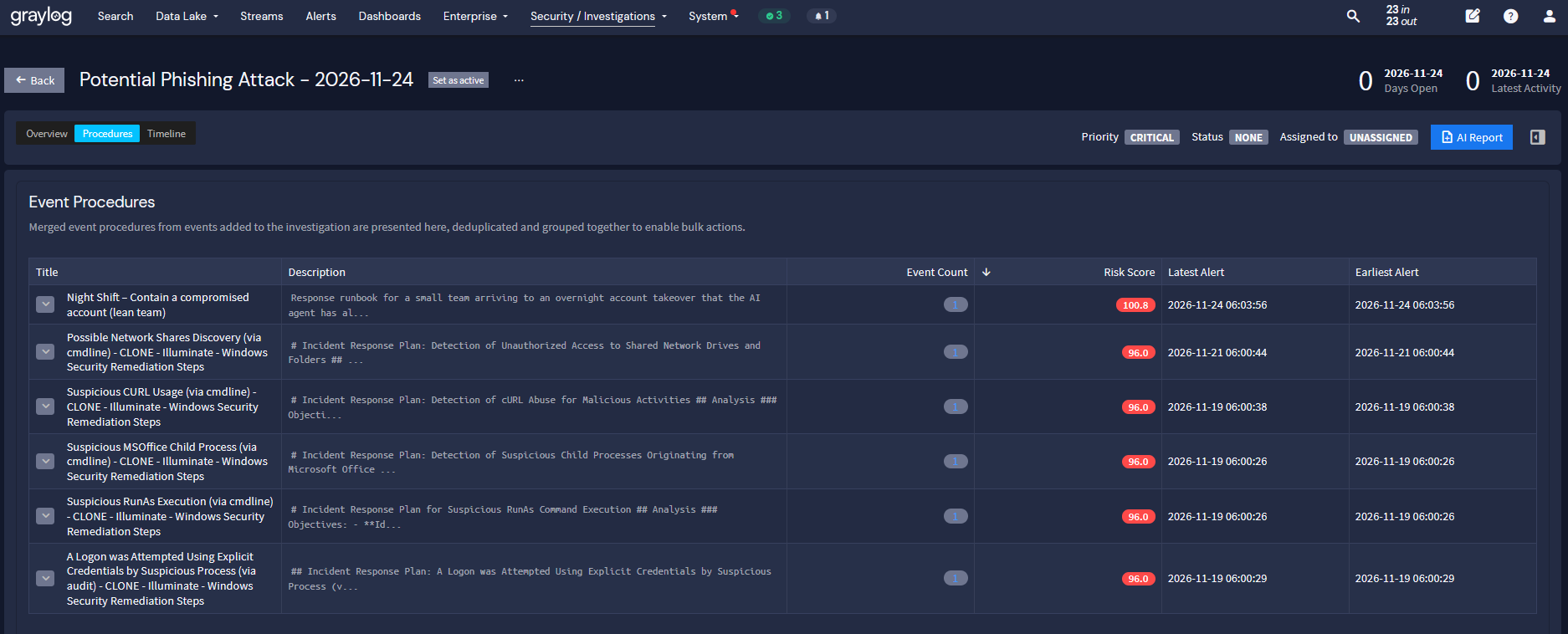
After analysts decide that an alert represents a real threat, they can use AI in various ways, including:
- Evaluating possible response actions
- Retrieving additional context
- Initiating established security workflows
When teams use AI appropriately, they can reduce the time between detection and response, potentially limiting data theft, data breaches, and other attack impacts. An AI system can recommend different responses that impact risk, including:
- Disabling an account
- Changing a security control
- Modifying a production system
However, as the risk and potential business impact increase, organizations should ensure that they implement appropriate guardrails and ensure a human makes the final decision.
What Are the Benefits of Using AI in Cybersecurity?
The primary benefits of using AI in cybersecurity come from the way that the technology makes information easier to work with, activity faster to detect, and analytical tasks less repetitive.
Increase Analyst Capacity
Security teams often handle repetitive tasks, including:
- Retrieving information
- Organizing evidence
- Summarizing findings
- Performing initial analysis
When AI can manage some of these tasks, security teams can focus on tasks that require human experience and make decisions faster.
Standardize Repetitive Security Processes
When security teams rely on manual workflows, outcomes rely on the analyst’s experience, workload, or available information at the time. With AI, security teams can create standardized workflows for repetitive tasks. By applying the same process, analysts have a more consistent investigation starting point so that people can focus on judgment and decision-making.
Reduce Time Between Detection and Response
Analysts need to respond to a real security threat as fast as possible so they can limit attack impact. By eliminating time-consuming manual investigation processes and suggesting potential remediation steps, AI enables teams to reduce mean time to respond (MTTR), an important cybersecurity metric.
Make Specialized Security Knowledge More Accessible
Since generative AI can translate complex security information into easy-to-digest explanations, more people can interact with technical information. On security teams, this reduces the barrier to entry for less experienced or less specialized analysts while freeing up experienced analysts who can focus on more strategic issues.
Support Cyber Resiliency
Faster analysis, more consistent processes, and increased analyst capacity can support broader cyber resiliency by enabling security teams to maintain critical business operations during an incident. Although organizations still need business continuity, data backup, or an established recovery process, AI can make data access more efficient so that teams can respond to security events more efficiently.
What Are the Risks and Challenges of Using AI?
As with any new technology added to an organization’s stack, AI can introduce new risks even if it helps with mitigating other ones. As organizations expand their use of AI across security operations, they should consider the following:
- Inaccurate or incomplete outputs: Generative AI can produce plausible but incorrect information, while incomplete security data can prevent AI from seeing important context.
- AI-specific security threats: Prompt injection, data poisoning, and adversarial manipulation can create new attack paths against AI-enabled security processes.
- Sensitive data exposure: Security telemetry can contain credentials, personal information, vulnerabilities, and other sensitive data, creating potential privacy, data theft, and data breach risks when AI systems are given access to it.
- Over-automation: An incorrect recommendation is fundamentally different from an incorrect autonomous action. Organizations need to consider the potential operational and attack impact before allowing AI to act without human approval.
Best Practices for Using AI in Cybersecurity
Organizations need to be purposeful when using AI in cybersecurity. No single technology will prevent security incidents. AI enables teams to focus on strategic security issues rather than spend their time on repetitive, manual processes.
Build AI on Reliable Security Data
AI can only analyze the data the organization provides, so security telemetry’s quality and context is critical. Giving AI access to relevant security information can help it identify relationships and provide analysts with more useful context.
When building AI into cybersecurity operations, security teams should consider:
- Centralized access to security telemetry from relevant systems, applications, identities, endpoints, and infrastructure.
- Normalized and enriched security data that provides consistent information about assets, events, users, and other relevant context.
- Risk and asset context that helps analysts prioritize security activity based on factors such as event severity, asset criticality, associated events, and known vulnerabilities.
Verify AI-Generated Findings
While AI-generated explanations and summaries can make analysis faster and easier, analysts still need to ensure that conclusions accurately reflect the evidence. Maintaining a connection between an AI-generated finding and its source data helps analysts validate results before making security decisions.
When incorporating AI-generated findings into investigations, security teams should consider:
- Access to the underlying logs, events, and other evidence used to support an AI-generated finding.
- Centralized investigation capabilities that bring related security evidence together rather than requiring analysts to reconstruct activity across disconnected tools.
- Investigation records that preserve context and evidence as analysts move from initial detection through analysis and response.
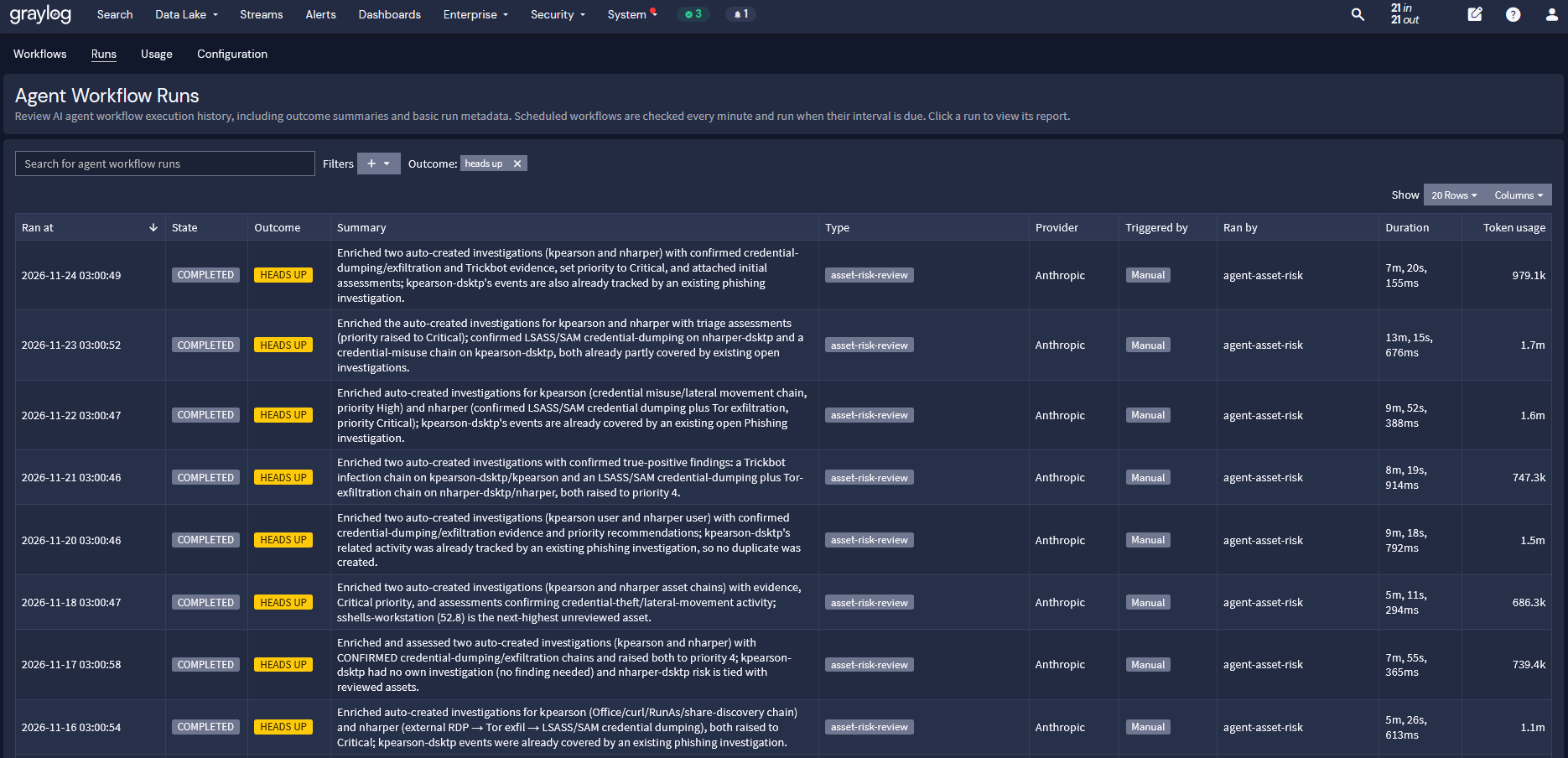
Keep Humans in the Loop for High-Impact Actions
Organizations can allow AI to complete low-impact repetitive tasks, low-risk tasks autonomously. However, some actions can pose a high risk to the organization, like a compliance violation. Organizations should apply human judgment for decisions that could materially affect users, systems, or business operations.
When determining where humans should remain involved, security teams should consider:
- Risk-based prioritization that helps analysts identify which events or assets require attention without treating every detection equally.
- Repeatable response procedures that give analysts predefined steps for investigating and responding to particular security events.
- Configurable workflows that support automation without removing analyst control over consequential investigation and response decisions.
Control AI Access to Security Data
AI tools and agents often access sensitive data in security information, like credentials, credit card information, and addresses. Organizations need to apply authentication, authorization, and lead privilege controls to AI access just as they would human and application access.
When giving AI systems access to security data, security teams should consider:
- Role-based access controls that limit available information and actions according to the permissions associated with the user or service.
- Authenticated access to security systems and APIs rather than unrestricted connections to underlying data.
- Granular controls over the data, tools, and actions available to integrated AI systems so access can be limited to what each use case requires.
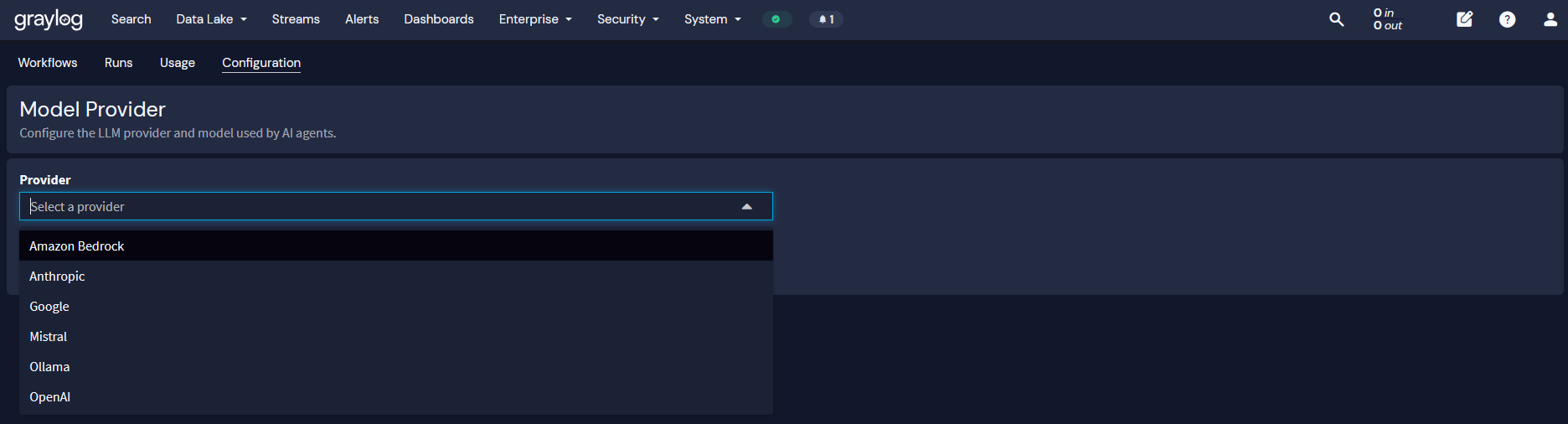
Graylog: Purposeful AI for Cybersecurity
Graylog enables security teams to use AI purposefully, applying it where it can reduce manual effort and help analysts understand security activity while preserving the context needed for human decision-making. AI/ML-powered anomaly detection identifies deviations from normal behavior, while AI-assisted investigations can organize evidence and generate reports that summarize key findings and recommended defensive actions.
By combining these capabilities with centralized security data, asset context, risk-based prioritization, and structured investigation workflows, Graylog helps analysts move from detection to investigation with the evidence needed to validate findings and determine the appropriate response. Graylog is also extending this approach through MCP integration, providing controlled, permission-based access for compatible LLM tools to query security data and assist with investigative workflows.